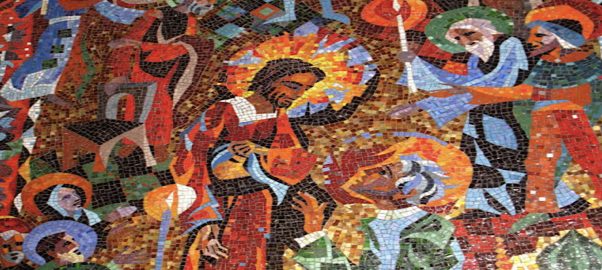
Key Scriptures: Matthew 26:26-75; Mark 14:22-72; Luke 22:14-71; John 17:1-18:27
We are now in the central act of this divine drama of salvation. Notice the extensive details in all the Gospels. Floyd McClung, summarizing our Lord’s Passion, declared, “The Lord used a criminal act of evil persons against an innocent man and turned this into the foundation of their forgiveness.”
Holy Wednesday
Key Scriptures: Matthew 26:1-5; Mark 14:17-21; Luke 22:1-6; John 13:21-30
Sometimes called “Spy Wednesday” – this is the moment Judas is paid to betray Jesus. The celebration known as Tenebrae (shadows, deepening darkness) occurs Wednesday evening into early Thursday morning. Religious leaders conspire to silence Jesus and there is a tangible tension as Jesus, aware of all these events, still washes feet and shares bread with his betrayer (Judas Iscariot) and future denier (Peter).
Holy Tuesday
Key Scripture: John 12:20-50
In John’s Gospel, chapter 12 marks the final moments of Jesus’ public ministry before he retreats with the disciples to the Upper Room and spends several chapters ministering to “his own” (John 13:1-6). Some believe that the early moments of John 13 may have occurred on Tuesday evening, though others place John 13-17 on Wednesday and Thursday nights.
Holy Monday
Key Scriptures: Matthew 21:12-22; Mark 11:1-14; 14:3-11; Luke 19:45-46; John 12:1-11
On this second day of the week, scholars and church tradition place the anointing of Jesus with oil at Bethany here, along with the cursing of the fig tree and cleansing of the Temple. We also discover in John’s Gospel that some leaders are planning to kill Lazarus – Jesus’ friend he had raised from the dead (John 11) – because Lazarus’ testimony was leading too many people to believe in Jesus!
Palm Sunday
Key Scriptures: Matthew 21:1-17; Mark 11:1-19; Luke 19:28-47; John 12:12-19
This first day of Holy Week or the Passion is a moment of celebration as Jesus fulfills prophecy and receives worship. In these moments of celebration, Jesus surprises all around with his humility – riding on a young donkey – and his authority – commending the worship of the crowd and cleansing the Temple.